-
·
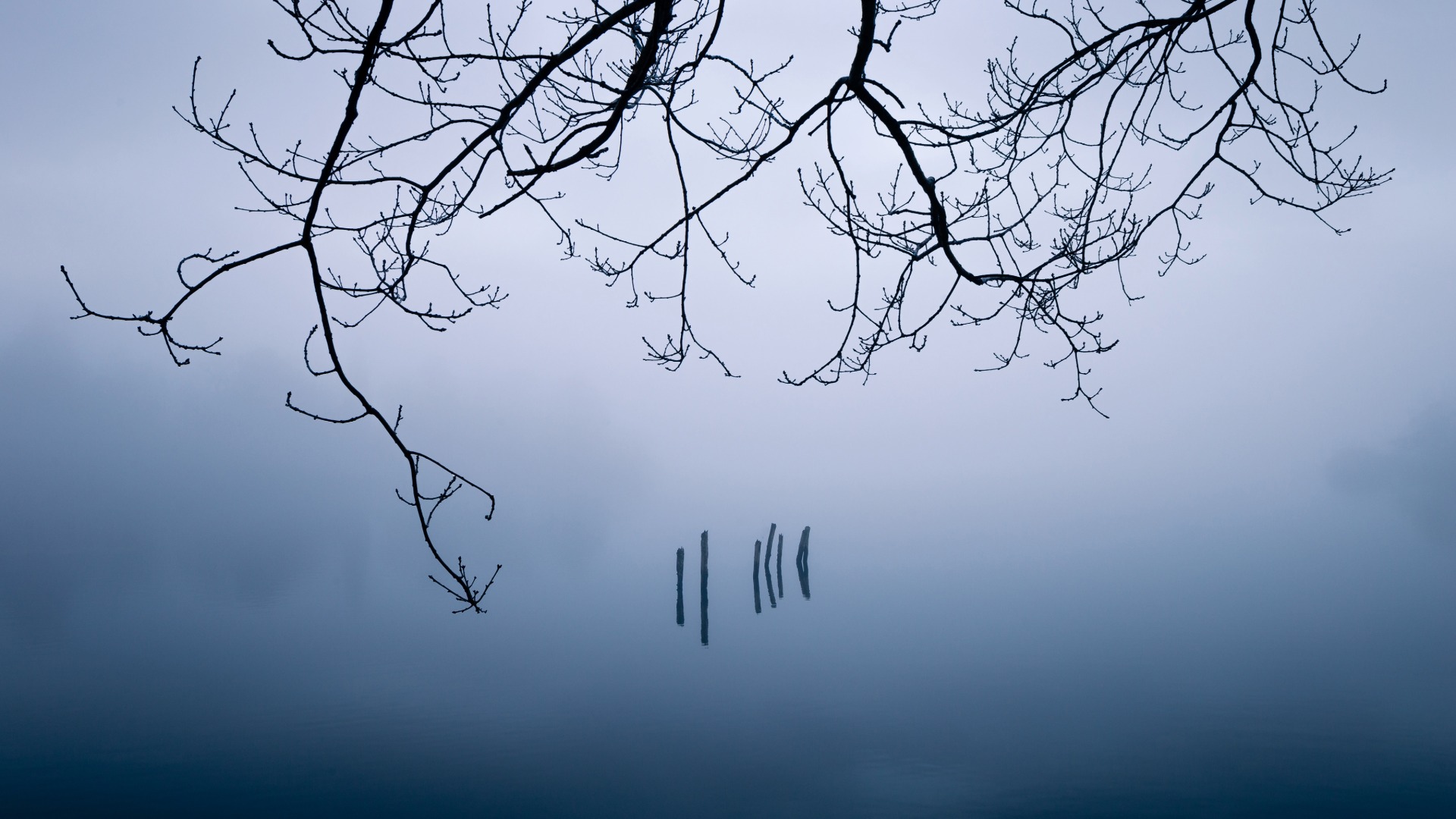
Photography as Philosophy: Let’s Agree to Disagree
We all understand that photography is subjective. Most of us are comfortable with differing opinions about photography — until the disagreement lands on our own work. “To be a photographer is to share how you see the world, only to be told you’re seeing it wrong.” Even when we know, deep down, that it’s just…
-
·
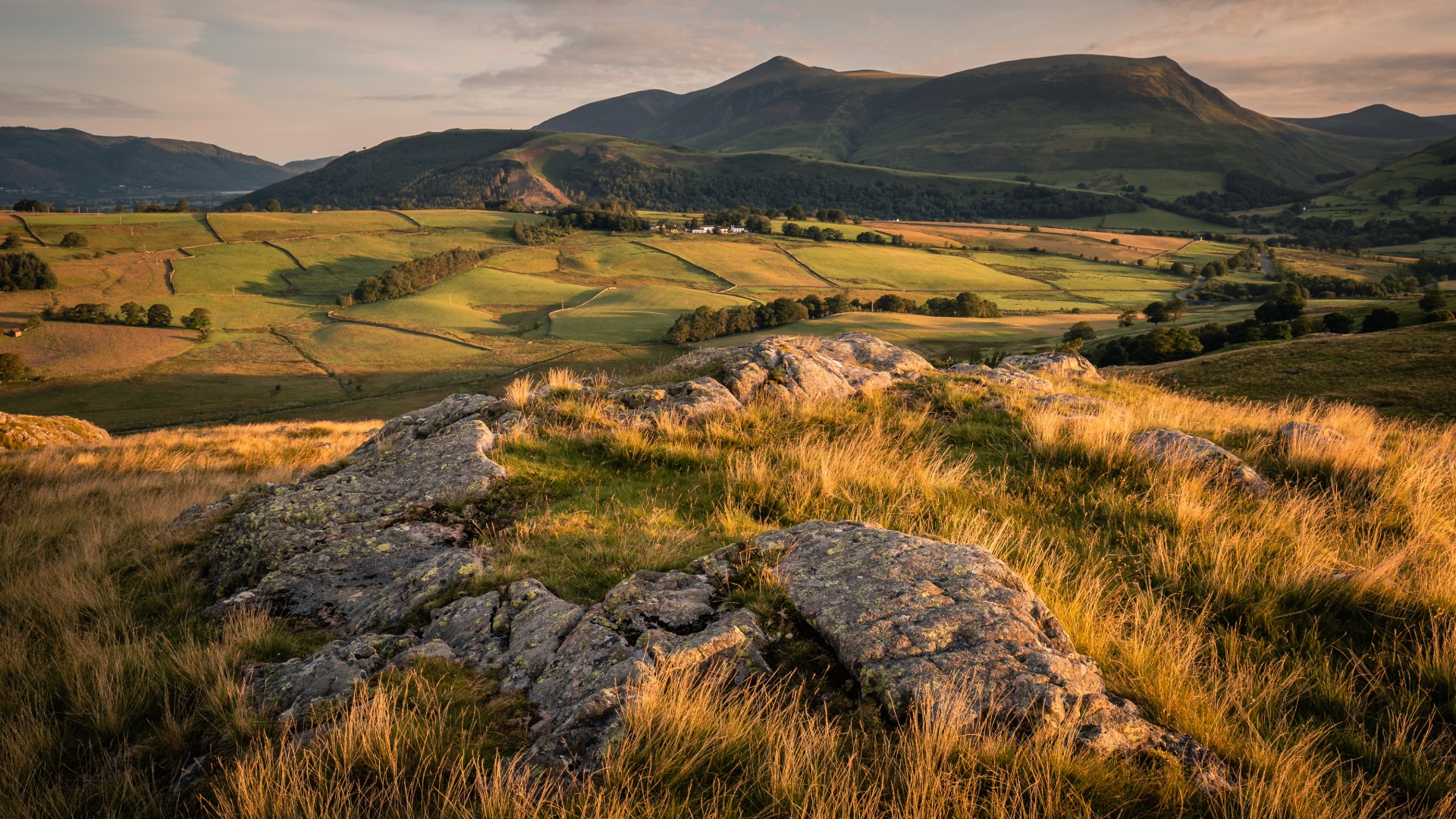
Sharing Your Work: Why Your Photos Want to Be Seen
Photography often begins in solitude. We notice something, respond to it, and press the shutter. In that moment, it can feel complete. The photograph exists. The experience has happened. For many of us, that’s where photography quietly ends. The image goes onto a hard drive where it collects digital dust. We convince ourselves our photographs…
-
·
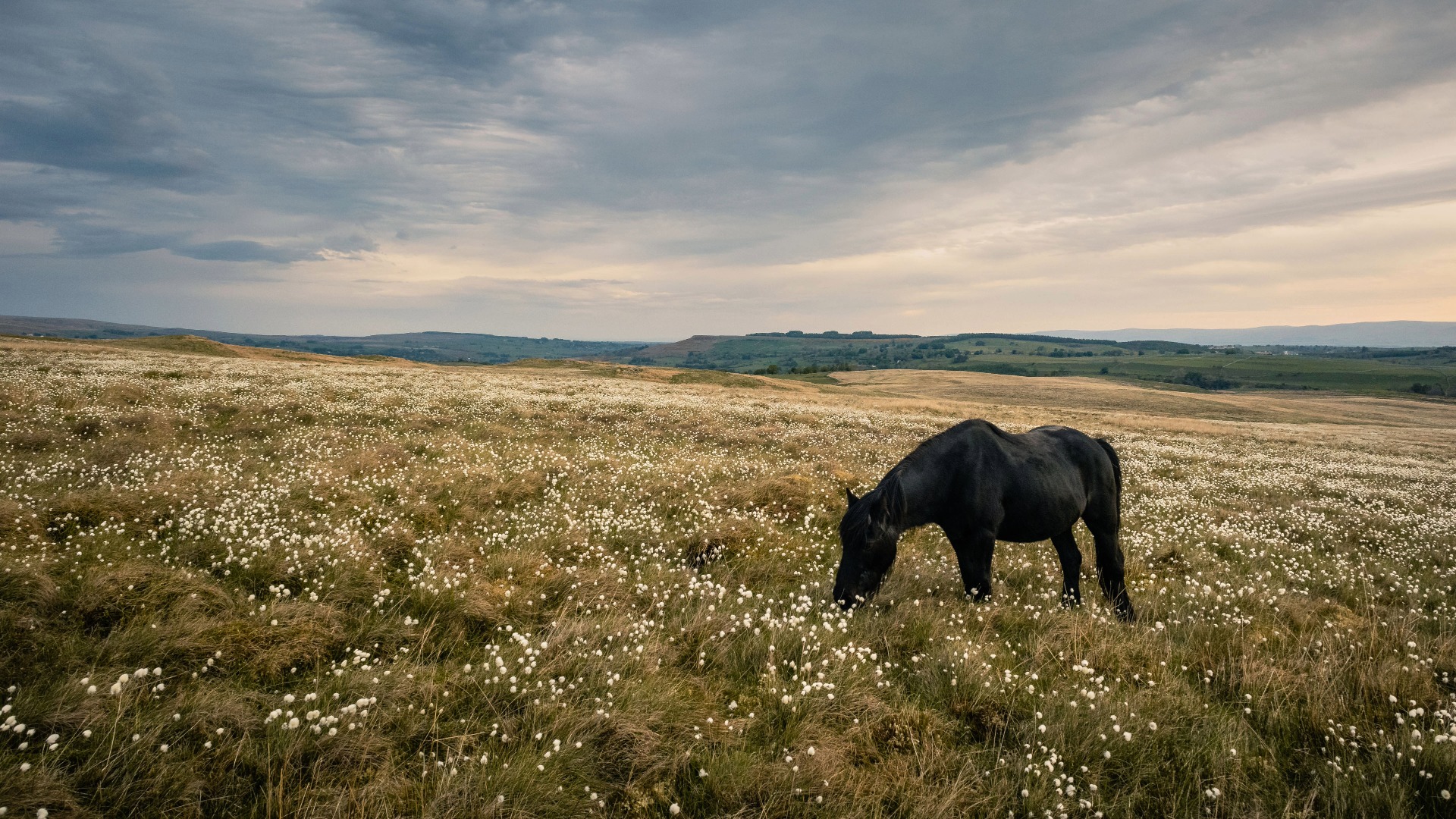
Sharing the Journey: Dispelling the Myth of the Lone Photographer
Landscape photography is often imagined as a solitary pursuit: a lone photographer on a hillside, camera on a tripod, waiting patiently for the sun to rise. But the myth runs deeper than that. We carry a romantic idea of the lone artist: working in isolation, wrestling with doubt, finding meaning through private struggle. The search…
-
·
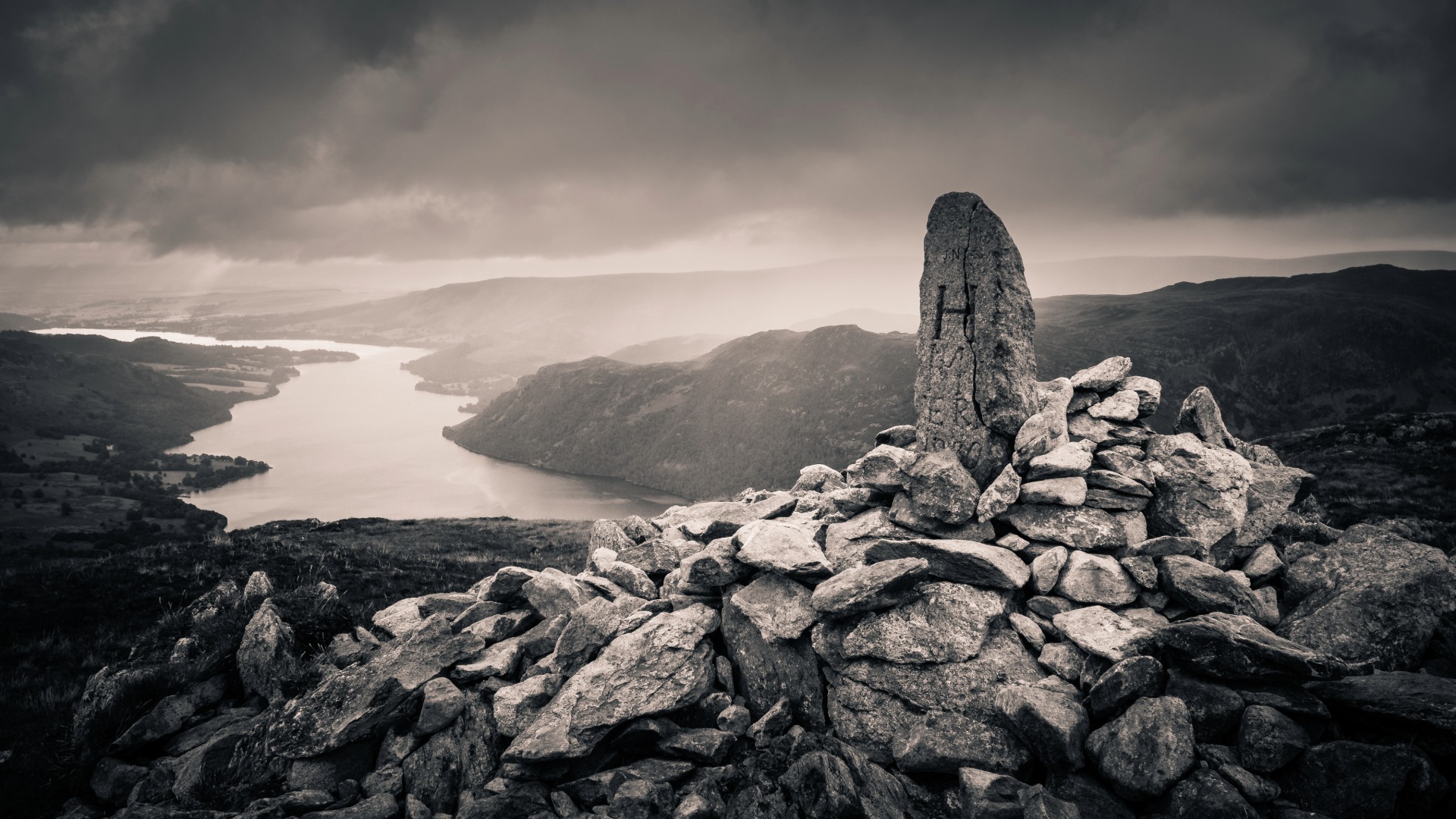
Call Yourself an Artist?: Why the Word Makes Us Squirm
Artist is an uncomfortable word. Not because there’s anything inherently wrong with it, necessarily, but because it’s loaded with pretension. Or at least, that’s how it can feel. It gives us the ick. To call ourselves artists can feel like we’re placing far too much importance on what we do. Is there another word more…
-
·
Making Moments: Photography as Participation, Not Observation
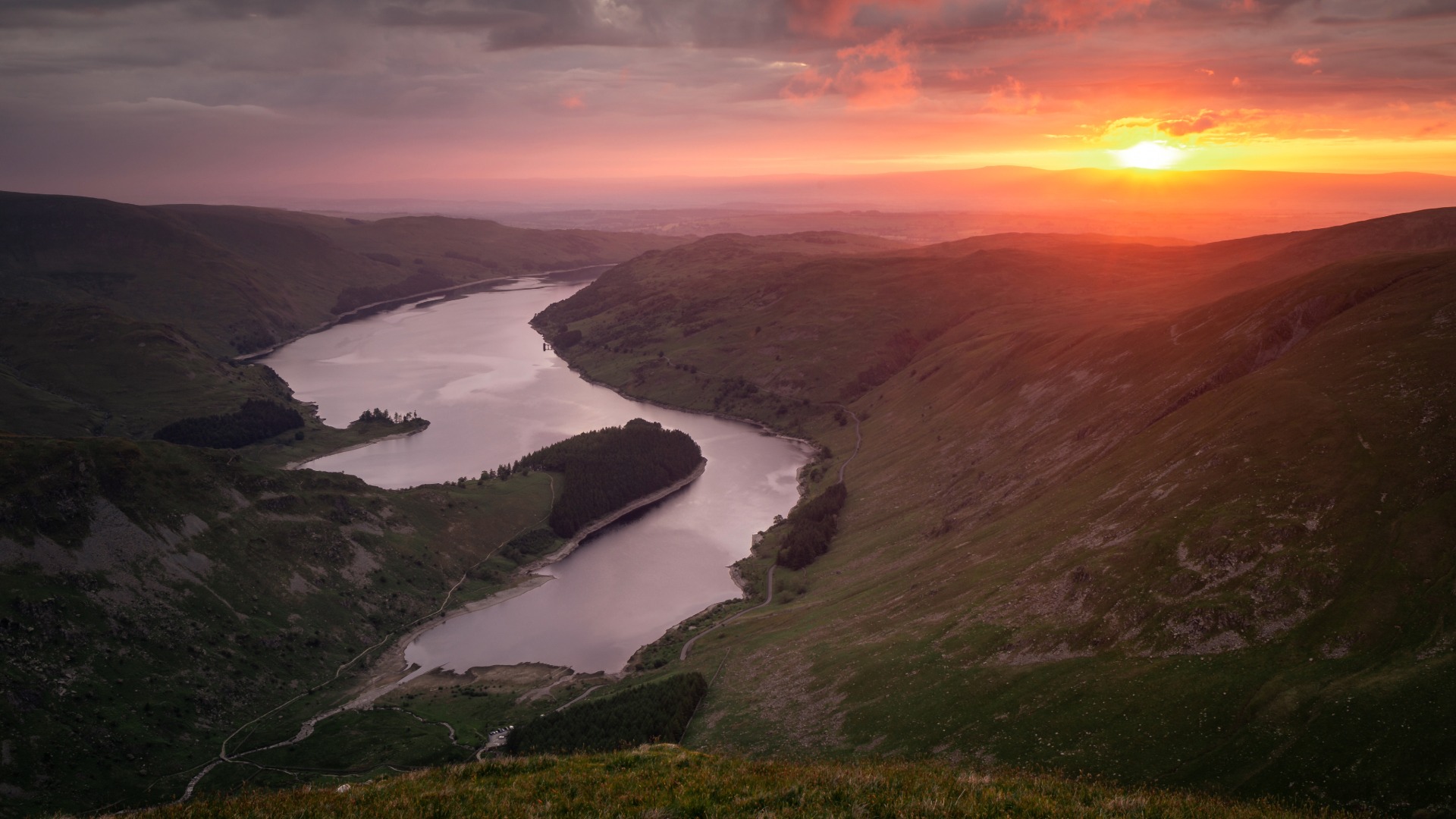
Photography is often described as a way of capturing moments; a way of preserving what happened so it can be experienced again and again. But not all photographs are the same. A snapshot records an event. It shows that something happened. A photograph, on the other hand, interprets it. It reflects how the photographer experienced…
-
·
Learning to See: How Attention Leads to Understanding
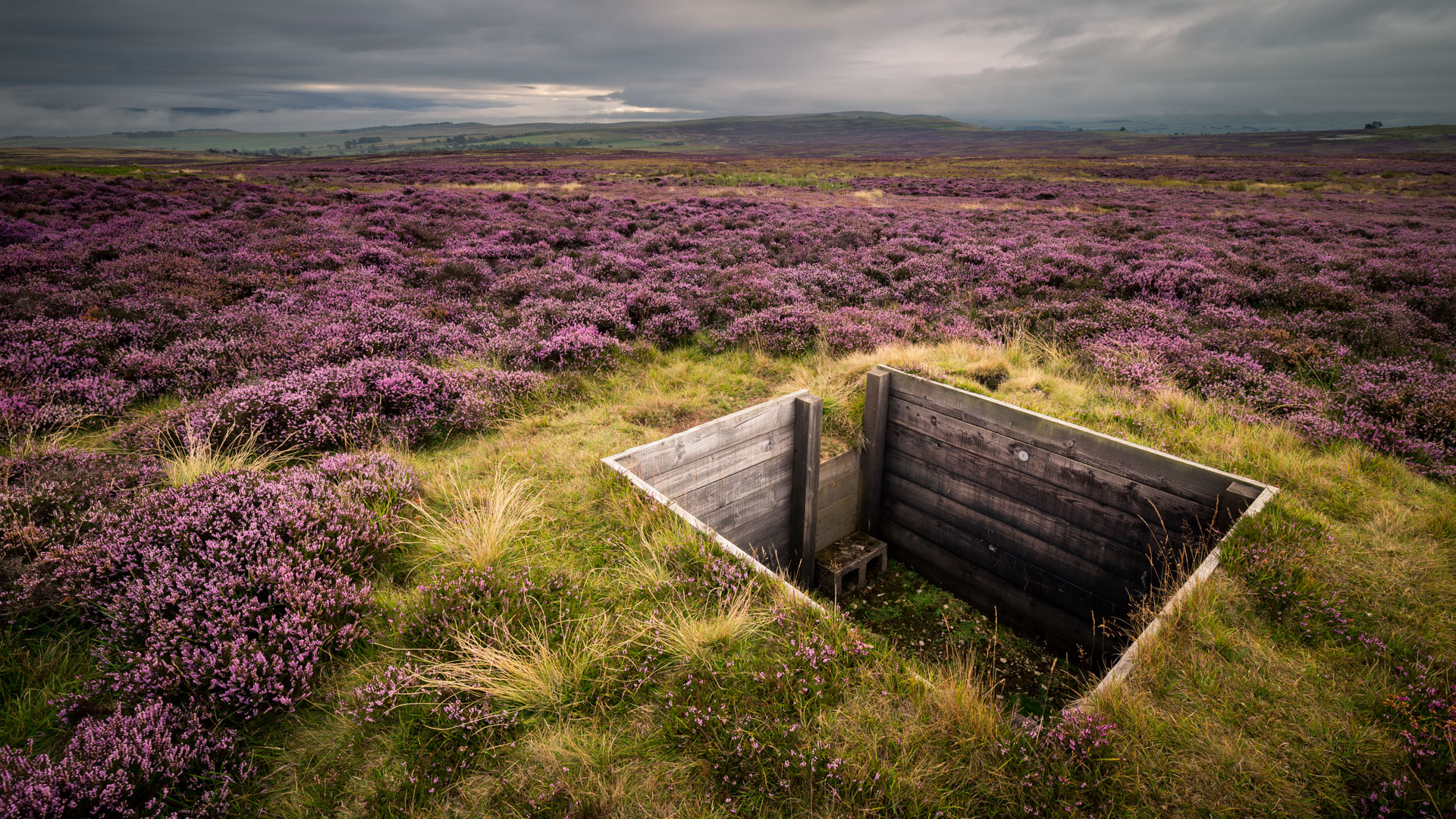
Photographers often talk about learning to see: interpreting a scene, noticing details, studying how the light falls. And rightly so. Photography begins with attention. If we merely look, we’re simply recording what’s there, not responding to it. But seeing is only the first step. Understanding what we see — why a scene draws us in,…
-
·
The Inspiration Myth: Why Creativity Begins with Attention
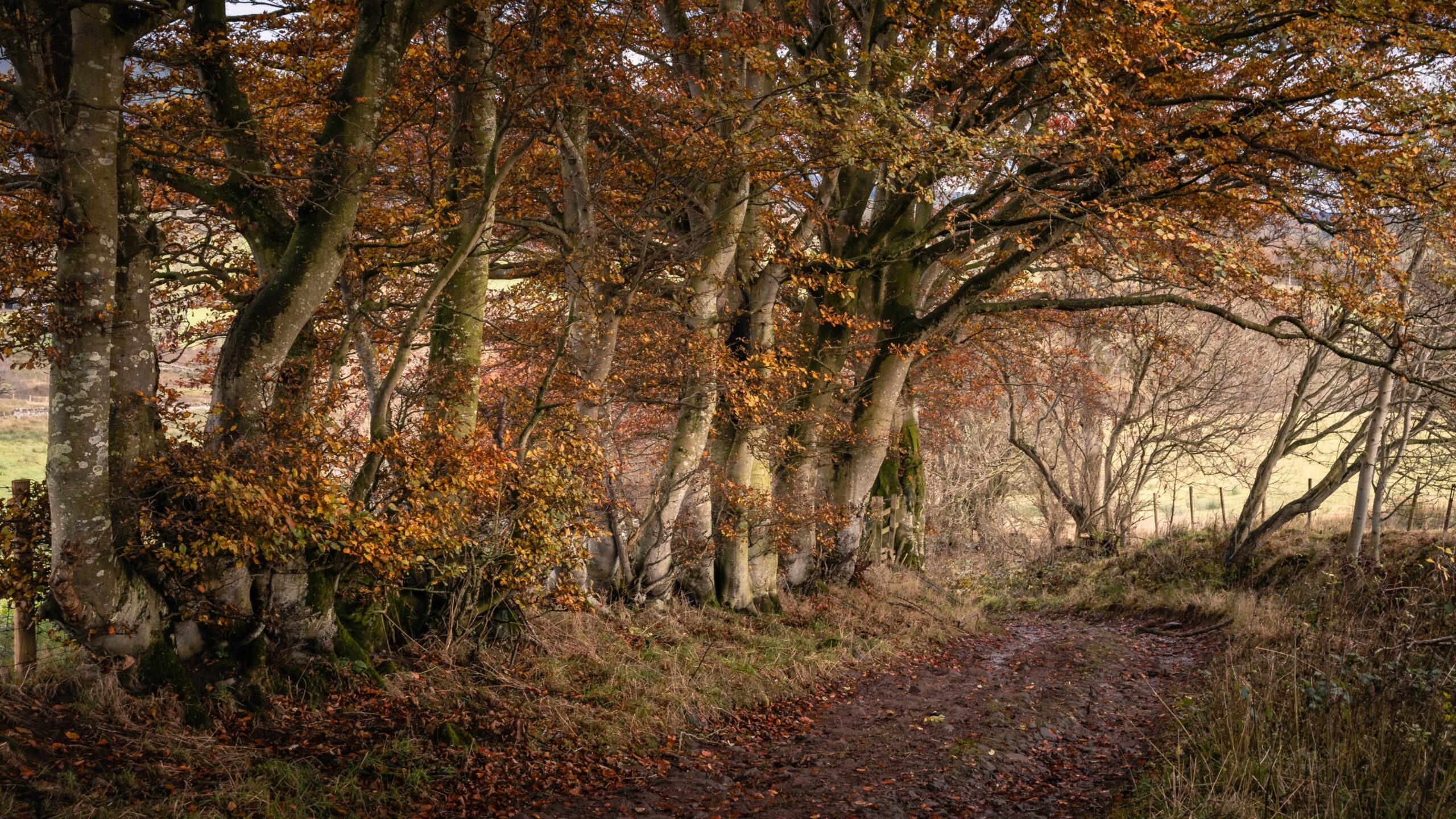
Slowing down in photography is often misunderstood. It’s easy to assume that being present in the moment means wandering with a camera, hoping inspiration will eventually strike. But creativity is not passive. It doesn’t arrive fully formed in a sudden flash. We’ve romanticised creativity into something spontaneous and effortless, a lightning bolt of inspiration that…
-
·
Moments and Meaning: A Manifesto for Mindful Photography
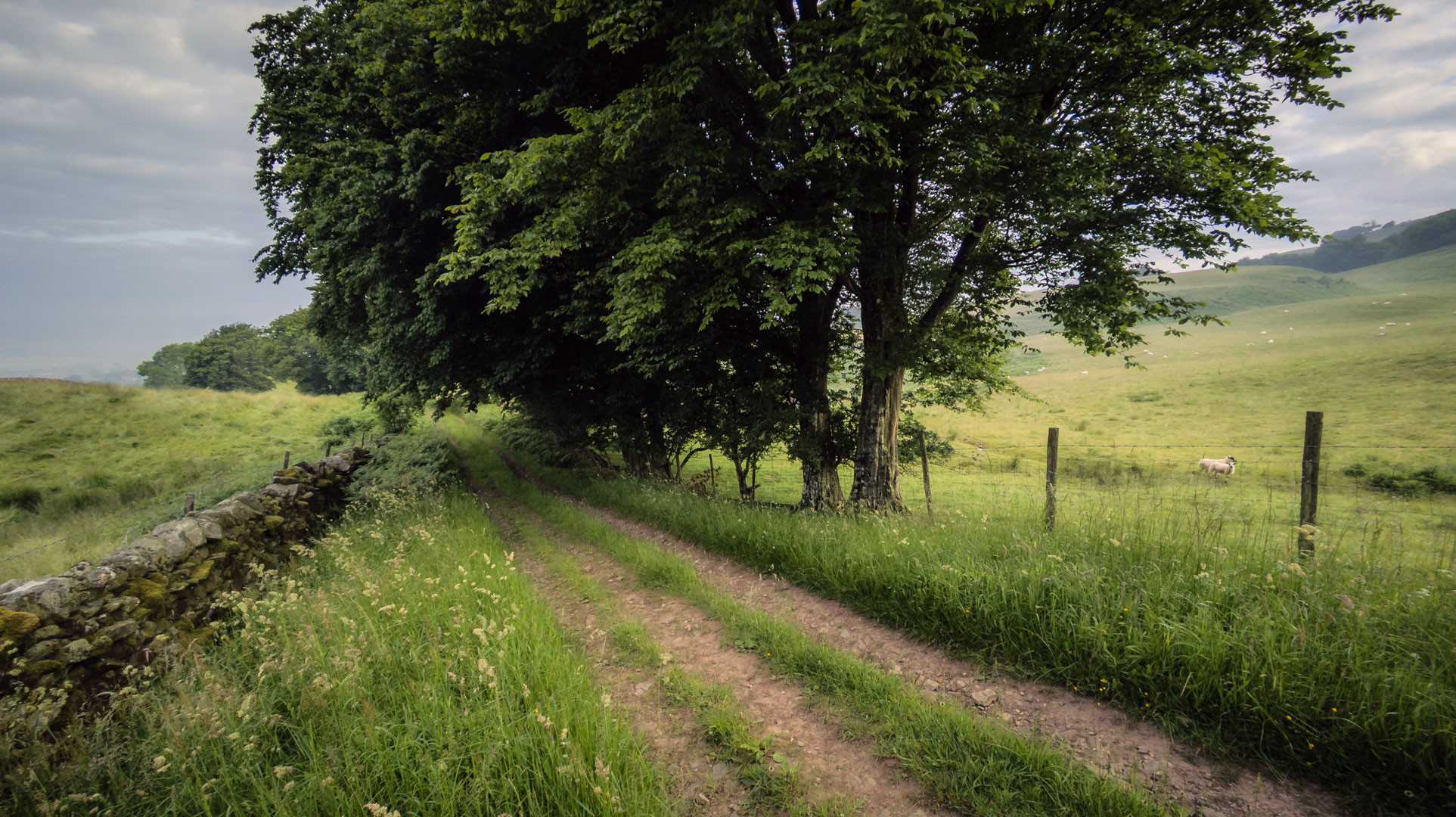
Photography provides us with a way to slow down and engage with the world around us. It is a form of meditation, clearing our minds of everyday distractions and allowing us to be fully present in the moment. Our lives are a series of fleeting moments, some small, others more profound. Photography helps us recognise…